At Crate Free USA, our mission is to improve the lives of animals raised for food. And since the vast majority of Americans still eat meat, the best way to do this is to shop from local farmers who care about the animals they raise far more than the huge factory farms and corporations that own so much of the food industry today. While we do promote at least a reduction of meat in your diet, we also support our local farmers who raise animals more humanely and sustainably. We feel this is the most pragmatic way to affect change today rather than give people an all or nothing choice.
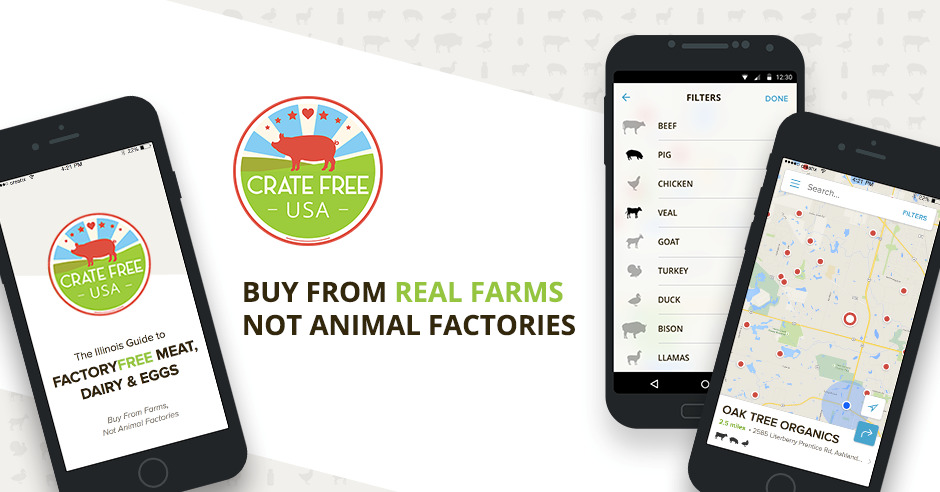
It’s easy for you to find a local, sustainable farmer near you in Illinois.
Just download our free mobile app!
Riemer Family Farm
This month we meet the Riemers of Riemer Family Farm. As they state on their website, “raised with care for the land, animals, and you – our meat creates more than just a meal.”
Jen and Bryce Riemer’s view of food changed with the birth of their first daughter. They dialed into their health knowing what we eat and where it comes from matters. Uncertainty about the quality and safety of food readily available pushed them to move back to the family farm in south central Wisconsin to produce their own food. They wanted to raise better food – trusted and healthy food, raised ethically on pasture – for not only their growing family, but for others who were seeking the same thing.
For more than a decade, they’ve raised animals with care. They use no antibiotics, steroids, hormones, or animal by-products. Their animals are rotationally grazed on pasture in season with outdoor access in the off season.
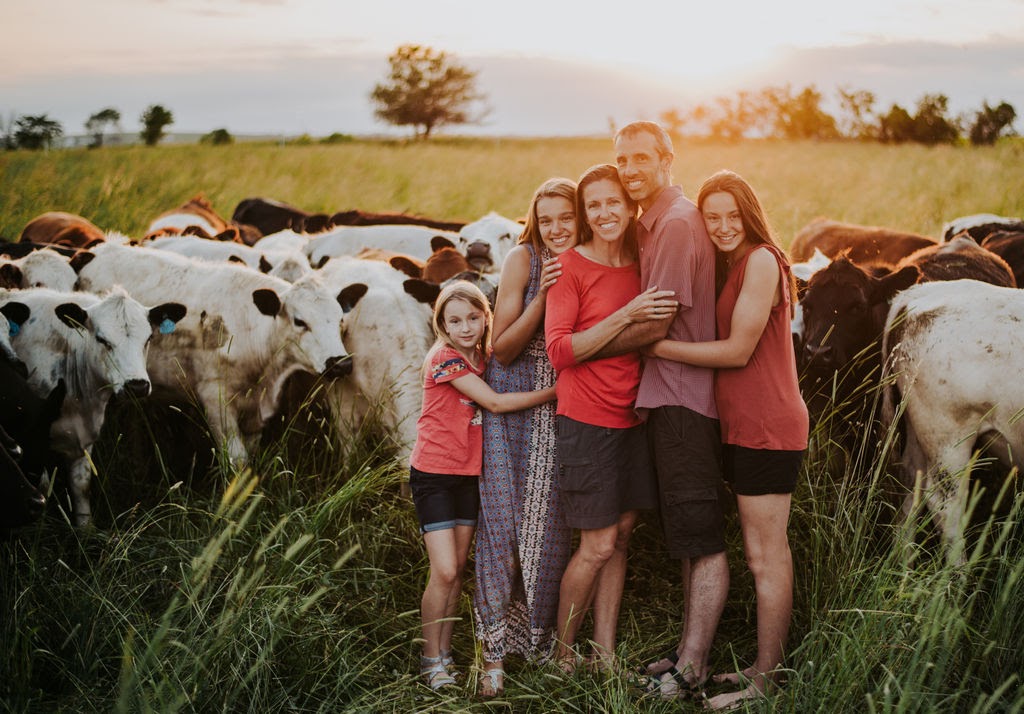
“Ethically raised, we promise to keep our animals with the utmost care because we believe happy, healthy animals result in healthy, delicious meat.”
Tell us about your farm: (kind of animals? Rough size of farm? Cage-free? Pasture raised?
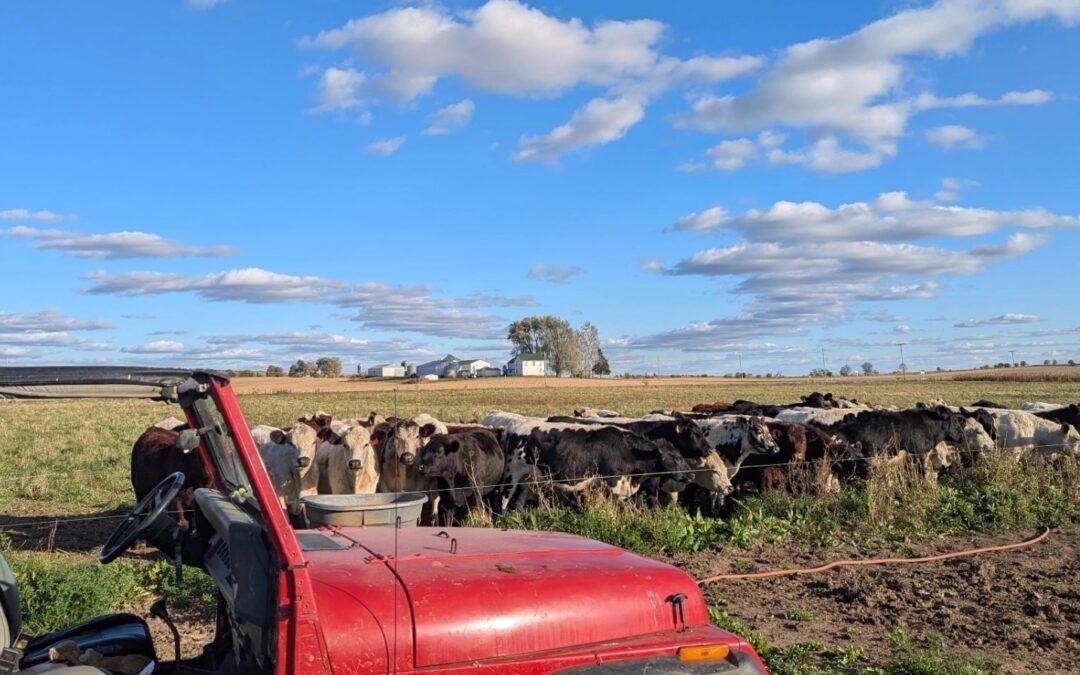
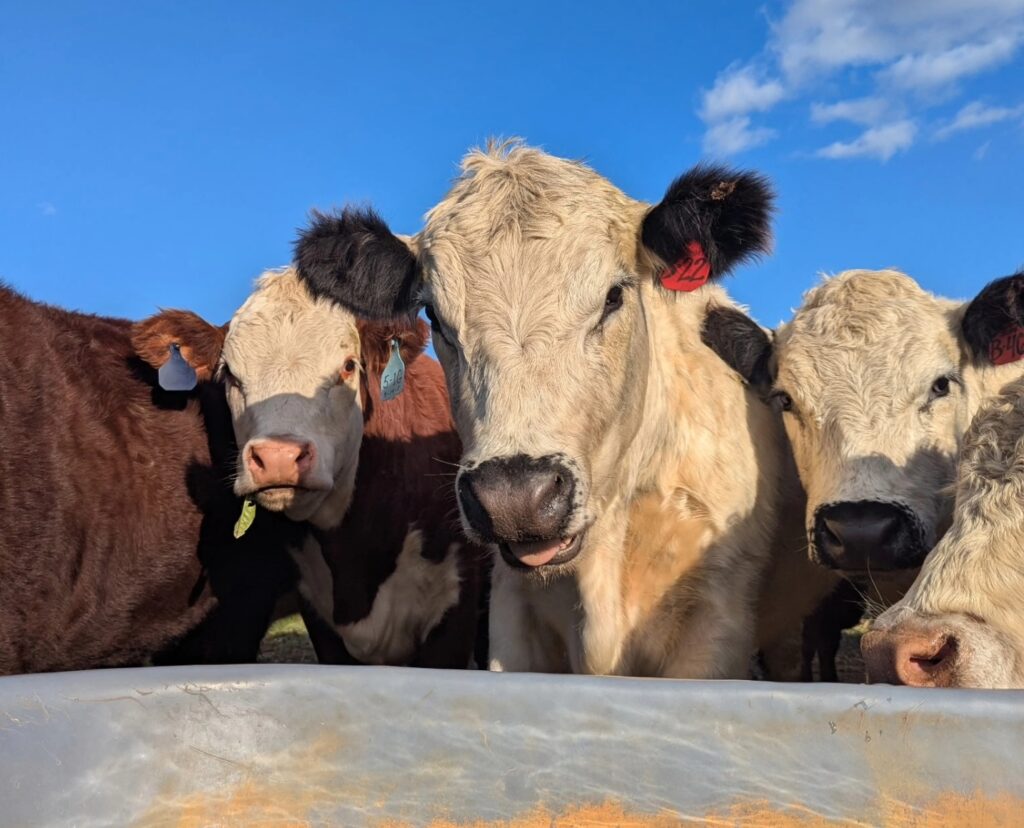
We raise 100% grass fed and finished beef, pastured poultry and pastured hogs. All cage free and on pasture. We also raise organic crops. We manage about 400 acres of pasture, crops and rent about 22 acres to a native seed business to harvest for restoration projects.
How did you first become involved in farming?
Bryce was born and raised on the farm. We moved back with our two young daughters in 2010 with our third daughter born in 2012 on the farm. We simply wanted to feed our children better food than what we could find around us and had the opportunity to renovate the old farm house and make it a home. After we moved back and learned more we started to take the family legacy and move it into regenerative and organic practices.
Why is farming sustainably and humanely important to you?
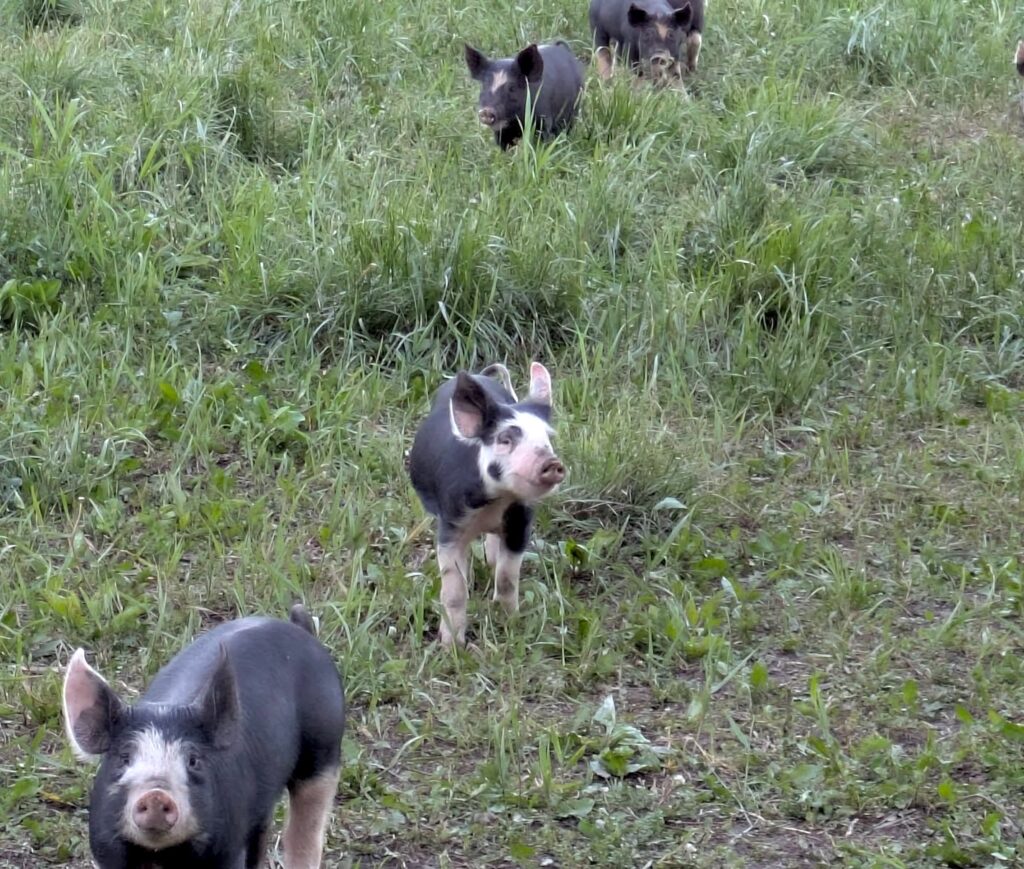
Farming using extractive practices and harmful chemicals just seems like the absolute wrong direction. We knew that when you farm with respect to the land and the animals that it’s not always the easiest or prettiest way but that there really is no other way to farm. When we respect the land that sustains us and raise animals with respect we can feel joy about what we are doing at the end of the day.
How have the economics of farming changed in the last several years and how has it affected you? What further changes are you anticipating?
The economics are ALWAYS changing and there is just not a playbook. We constantly have to stay on our toes and hustle to keep customers engaged with our products and drawing in new customers. We can’t rely on government grants because those come and go. We have to ultimately run a healthy business with strong fundamentals and a farm that meets high standards that customers want.
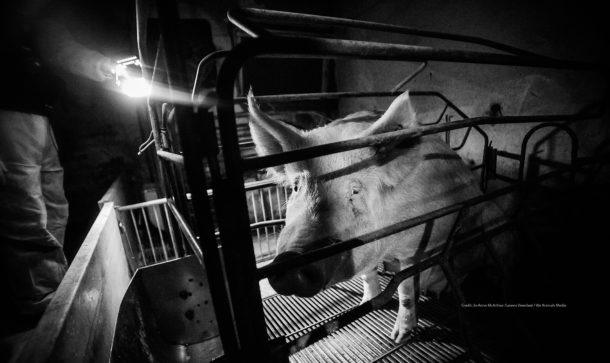
What are your views on extreme confinement and gestation crates for pigs?
They are completely unnecessary. It comes back to equipping more farmers/producers on the land instead of consolidation. Regional networks of family scale farms are going to use more humane practices than a pig factory. In the Midwest this is absolutely possible.
Would you support a bill to ban extreme confinement? Why or why not?
Yes, we’d support that bill. Extreme confinement goes against our ethics and values.
What is your current slaughter process? What do you think about mobile abattoirs and is that something you would potentially use?
We take our animals to a local family owned processing plant. We are blessed to have one relatively close.
Mobile units are great. We butcher 12-15 hogs at a time and this is probably a scale that is not realistic for a mobile unit. If we were unhappy with our brick and mortar butcher I would certainly consider a mobile unit. They are a great option for smaller scale farmers or those without livestock trailers to haul animals.
What can consumers do to help improve the lives of all our farm animals? Is there anything else you’d like to share?
Consumers need to buy from farmers actually implementing practices that respect the animals. It costs a bit more, but people always vote with their dollars.
How do you market and sell your products? How can people shop with you/find you? Can they visit the farm?
We ship all over the Midwest and plains states and to the east coast and parts of the south using UPS 1-day and 2-day ground shipping. People can order and pick up on the farm as well. Folks are always welcome to see our animals when they come pick up orders.
For more info visit: Riemerfamilyfarm.com
All photos courtesy of Riemer Family Farm.
The Illinois Guide to FACTORY-FREE MEAT, DAIRY, & EGGS